Below is a 1962 newspaper advertisement from A.O. Bentley & Co. promoting new land releases at Epping and Baulkham Hills.

Below is a 1962 newspaper advertisement from A.O. Bentley & Co. promoting new land releases at Epping and Baulkham Hills.

Below is a 1962 newspaper advertisement promoting a land release at Kirrawee in the vicinity of Duneba Avenue. Blocks were available from £995 ($1990) to £1795 ($3590). Adjusted for inflation (RBA Inflation Calculator) this would equate to between $30 500 and $55 000.
Source: Parkes Developments Pty. Ltd. 1962. "Fantastic Engineered Project at Kirrawee" (Advertisement). The Daily Telegraph, April 14: 49.
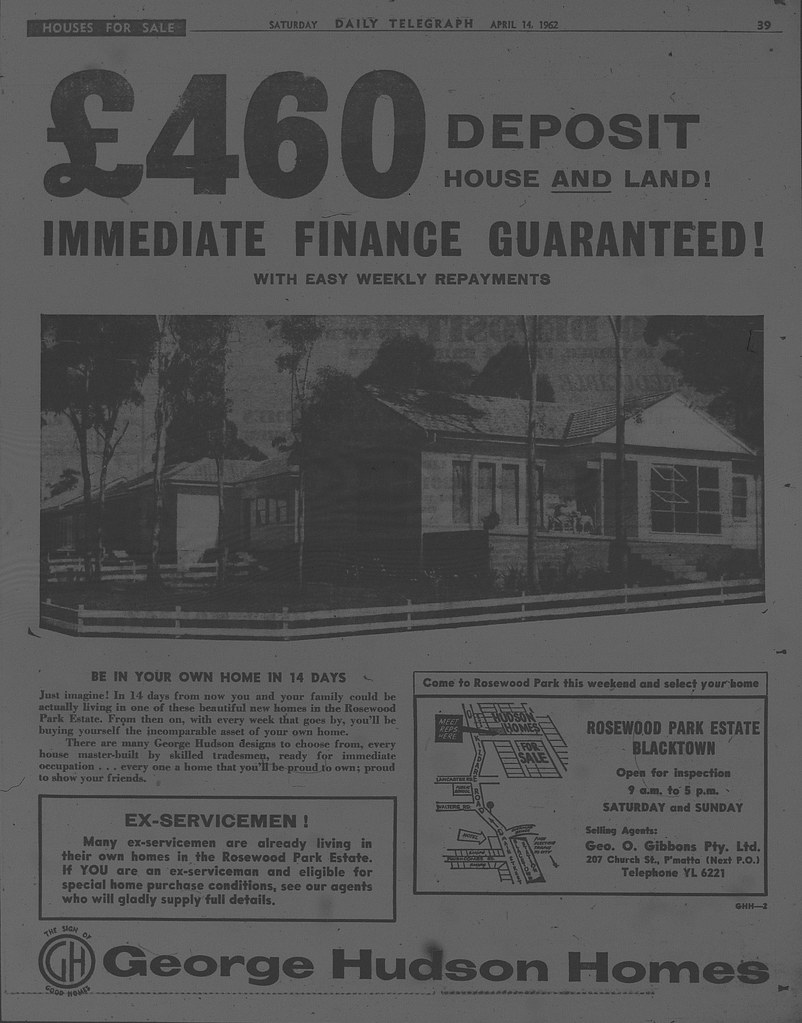
Below is a 1962 newspaper advertisement from Mala Homes. House and land packages were on offer at Baulkham Hills, Pendle Hill and Liverpool. Deposits started from £595 ($1190) at Liverpool to £845 ($1690) at Baulkham Hills.
In todays money according to the RBA Inflation Calculator , the deposit was approximately $18 200.

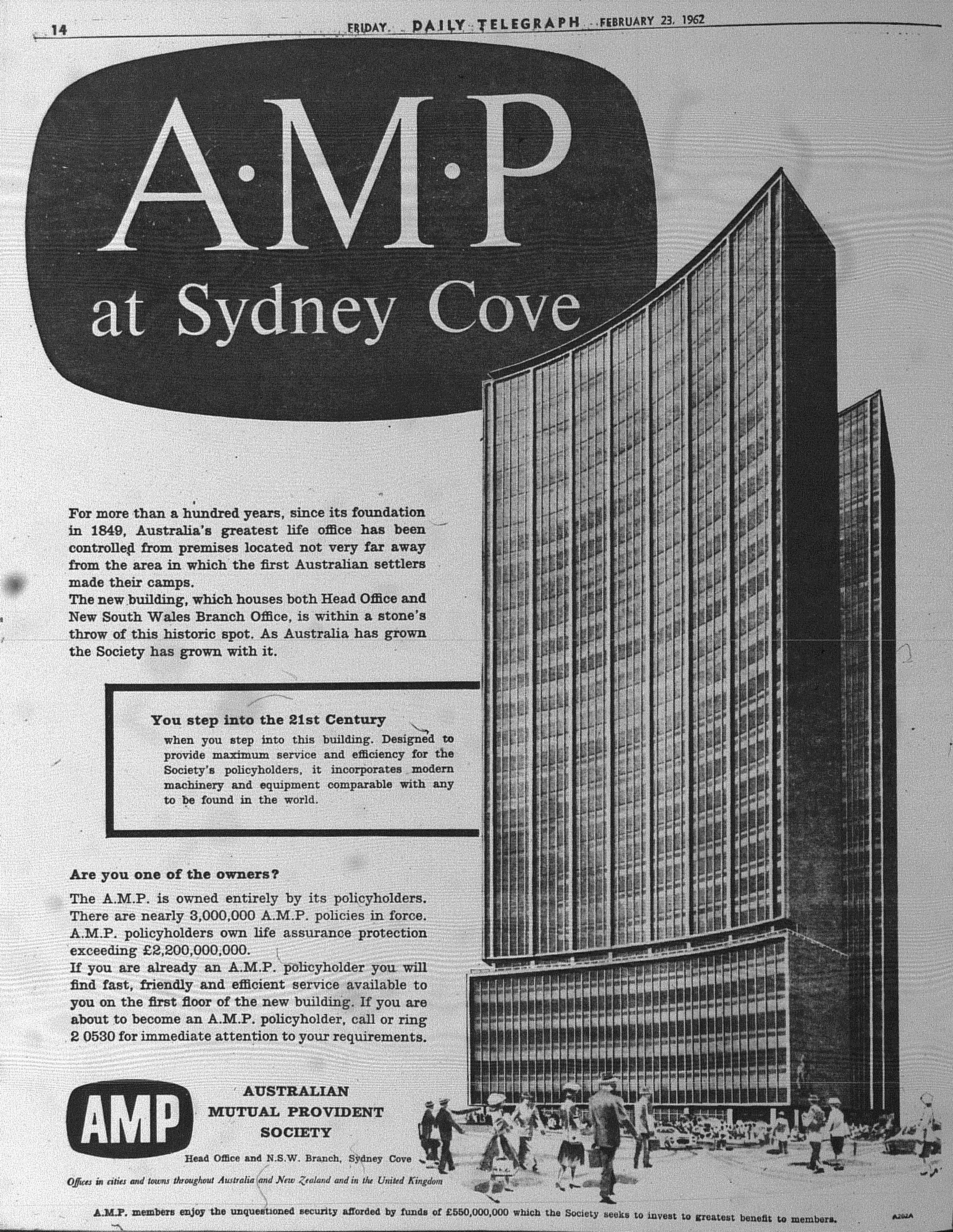
This year marks sixty years since Sydney's first major skyscraper - The AMP Building at Circular Quay was offically opened.
Completed in 1962, the building located in Alfred Street at Circular rises 26 levels or 117 metres tall. It is regarded as the first major skyscraper to be built in Sydney following the abolition of the 46 metre or 150 feet height limit for city buildings in 1957.
Plans were unveiled in 1958. Click here to view an entry relating to the unveiling of plans. The building was designed by Peddle Thorp & Walker with construction overseen by Concrete Constructions Pty. Ltd. The following year, the Thomas Mort Woolstore which had occupied the site had demolished
It was officially opened on February 23 1962, by Prime Minister Sir Robert Menzies.
![]() |
| Taken by the Author (2019). |
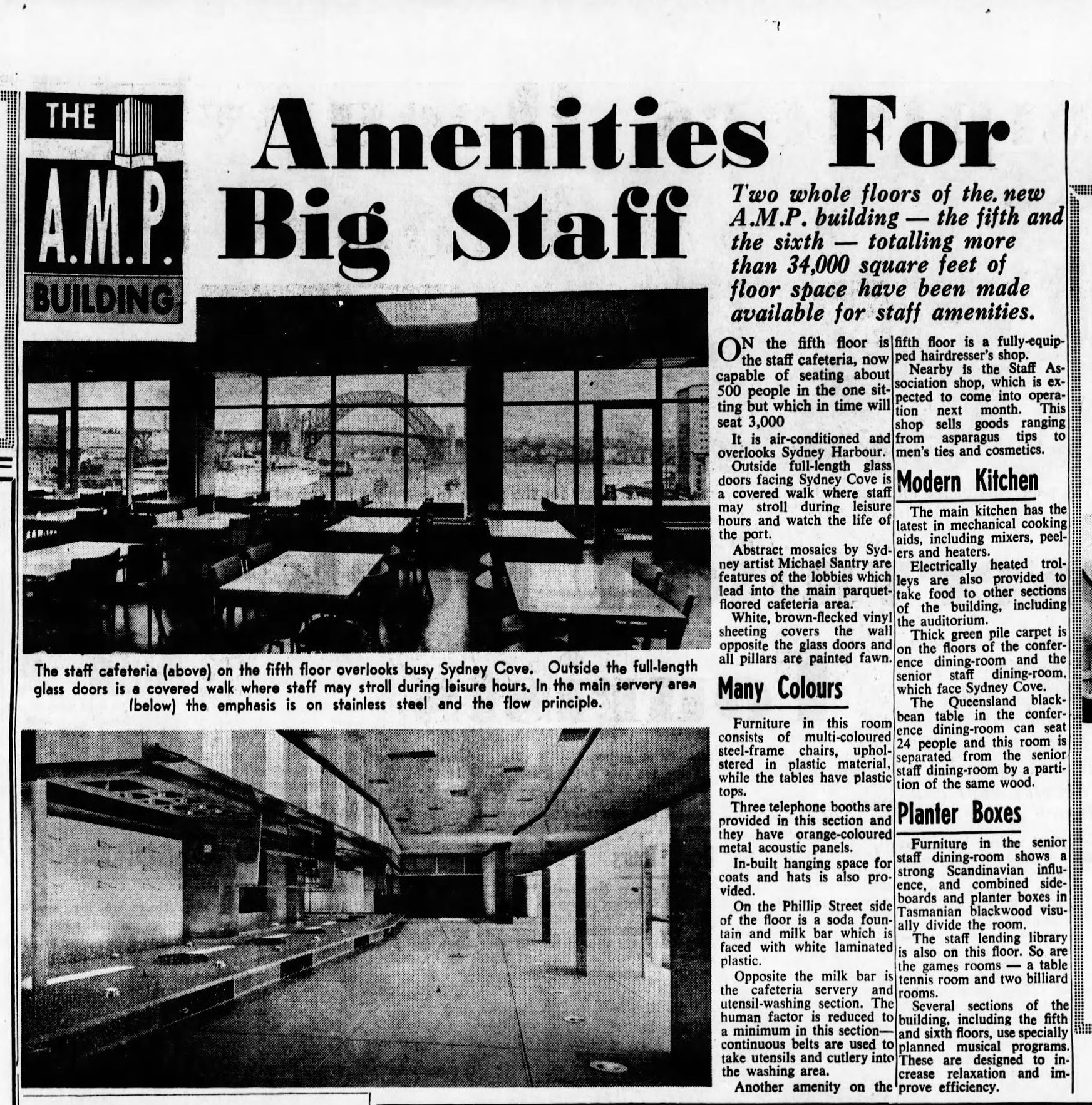
Facts of interest at the time of opening
Source: Anon. 1962. "Amenties For Big Staff". The Sydney Morning Herald, February 26: 9 (AMP Building Supplement).
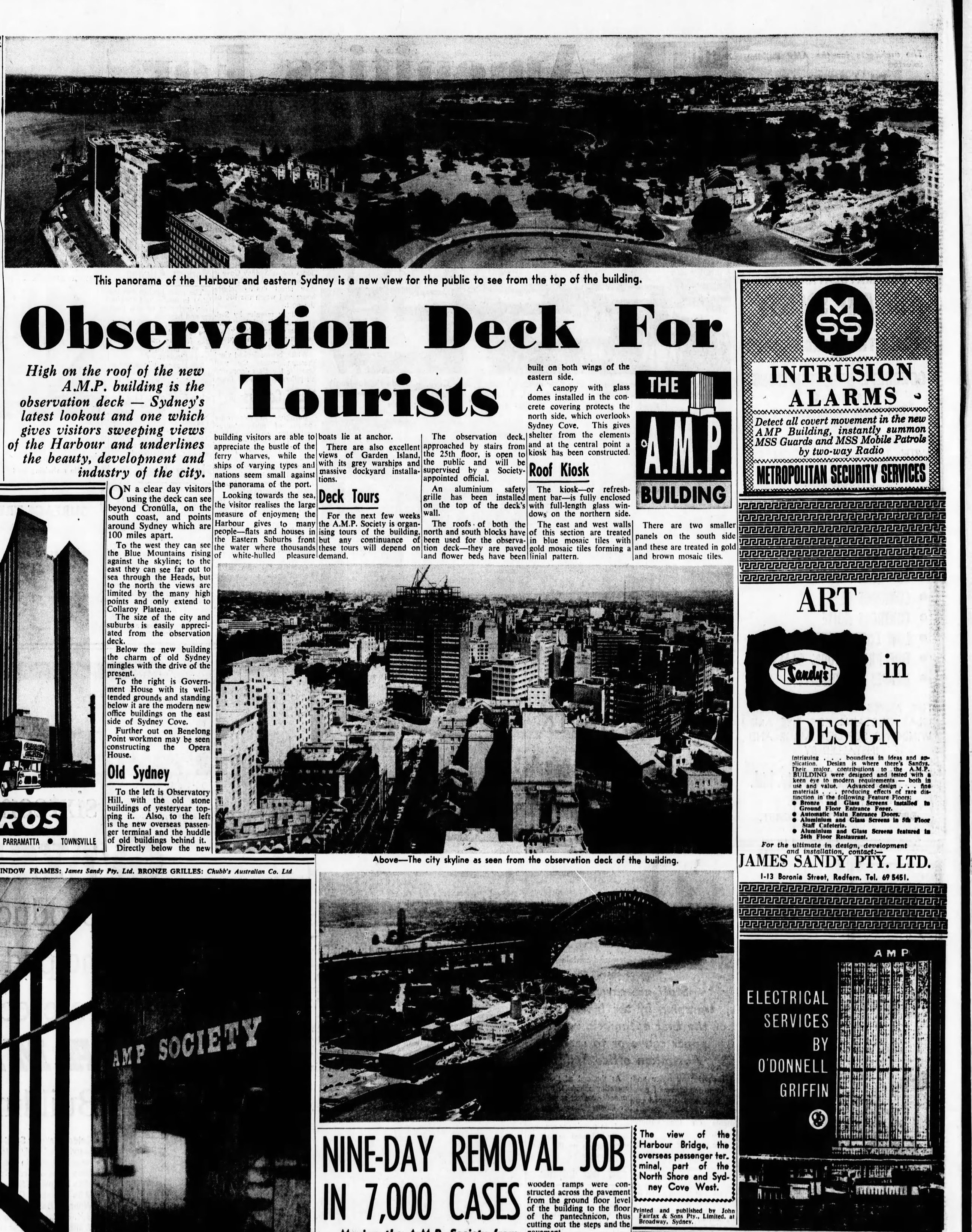
Observation Deck
Source: Anon. 1962. "Observation Deck For Tourists". The Sydney Morning Herald, February 26: 10 (AMP Building Supplement).
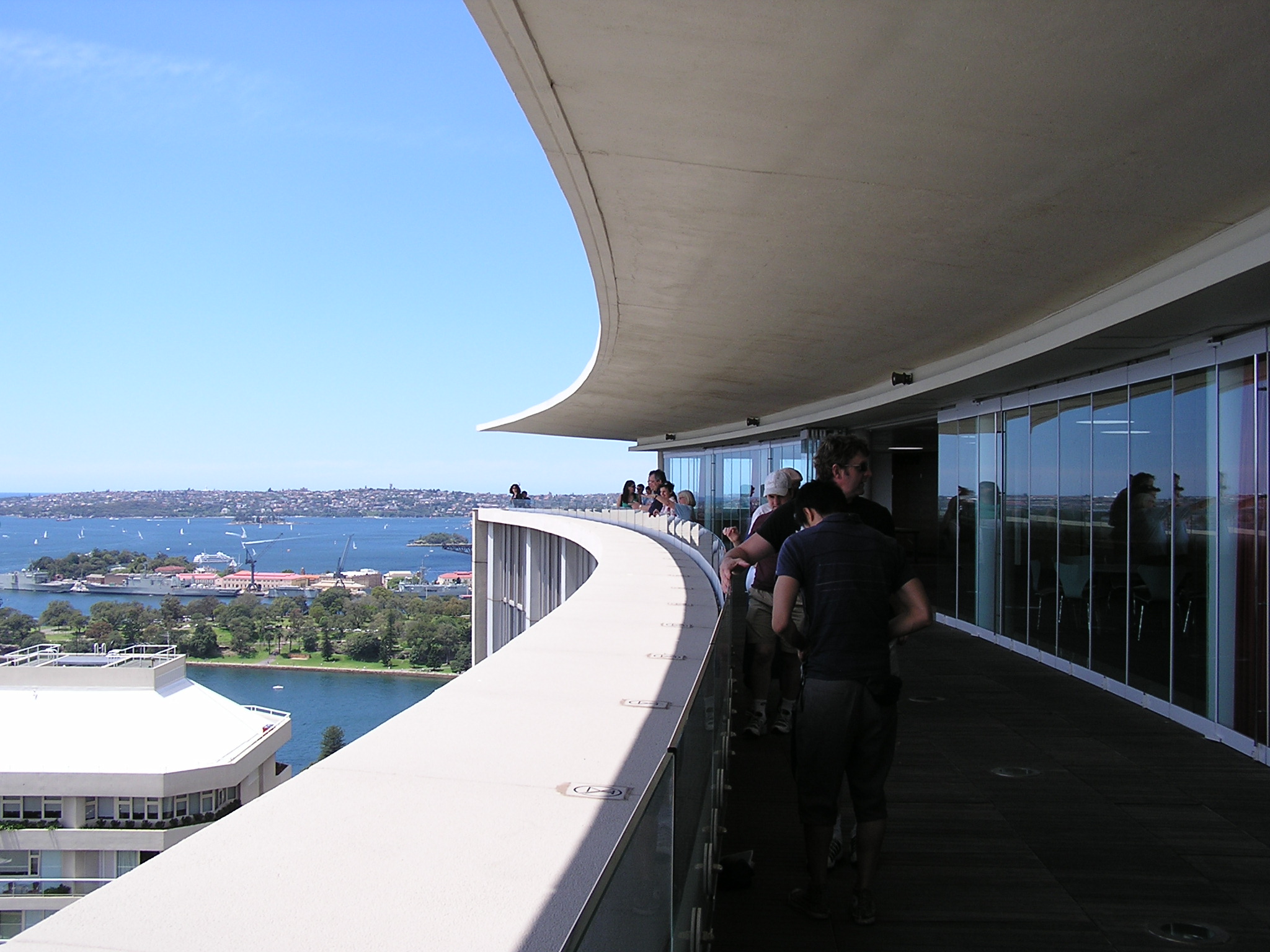
At the time of opening, Level 26 featured an observation deck that was open to the public. Years later it was converted into the boardroom for the AMP Board.
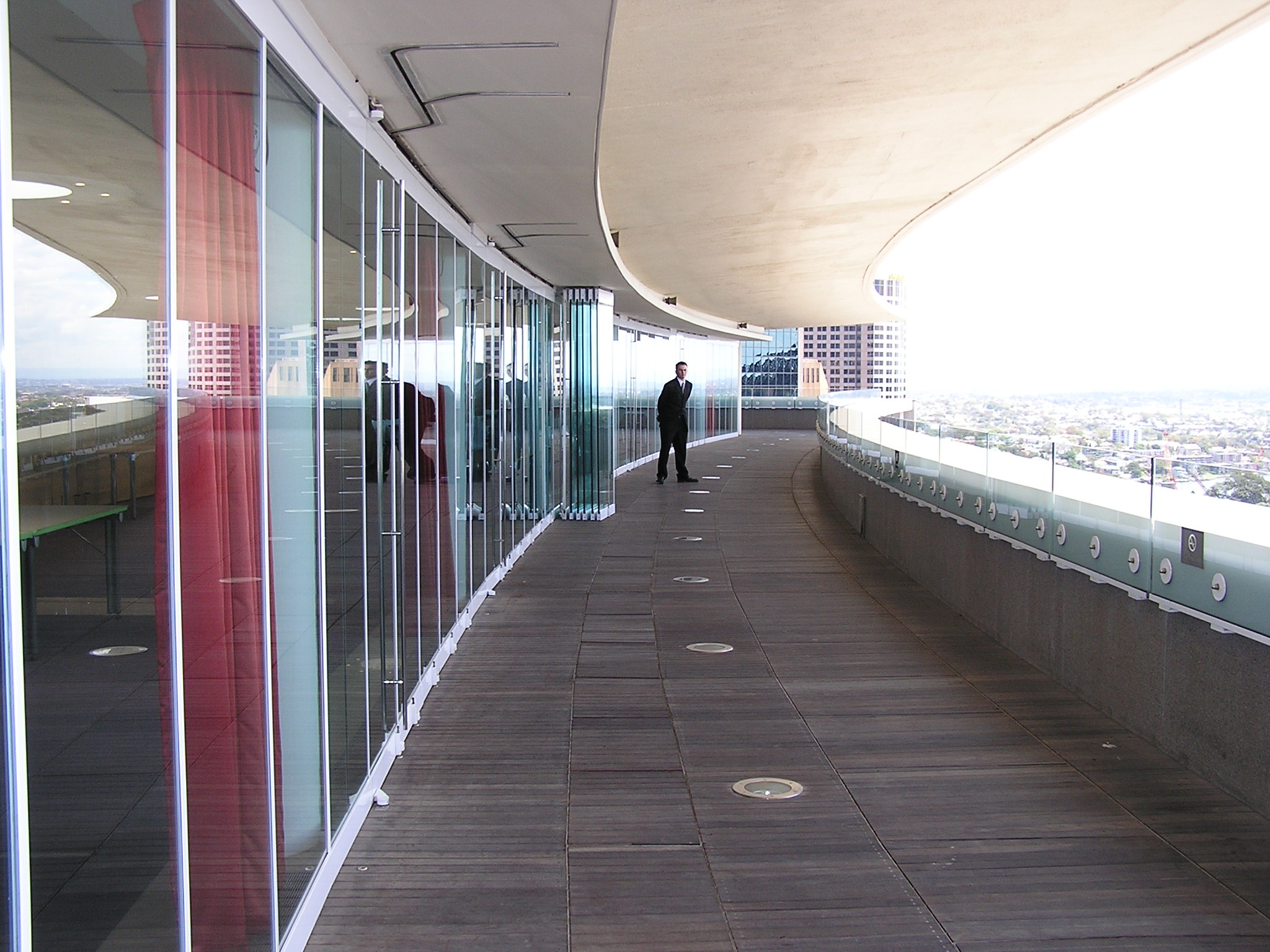
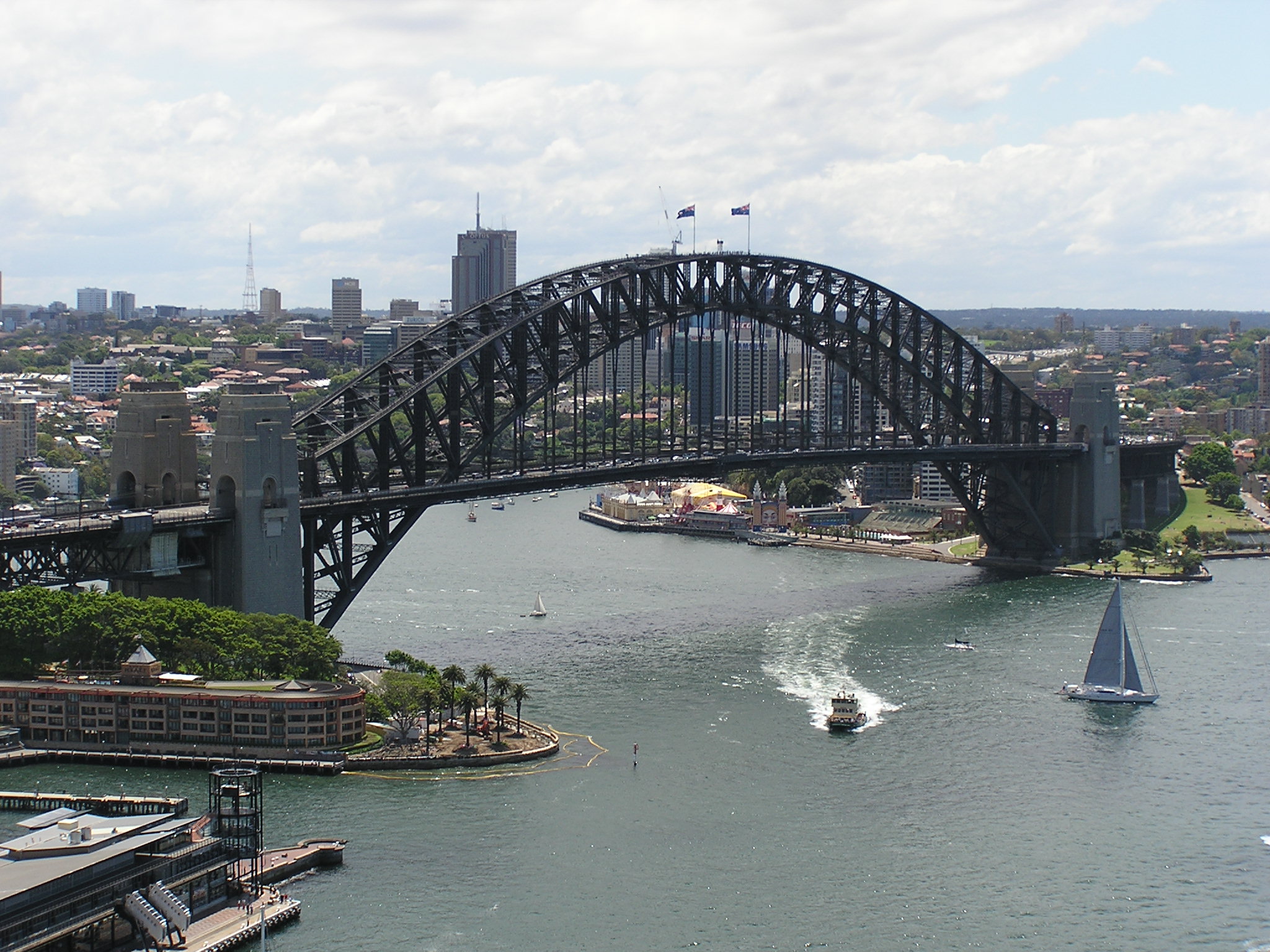
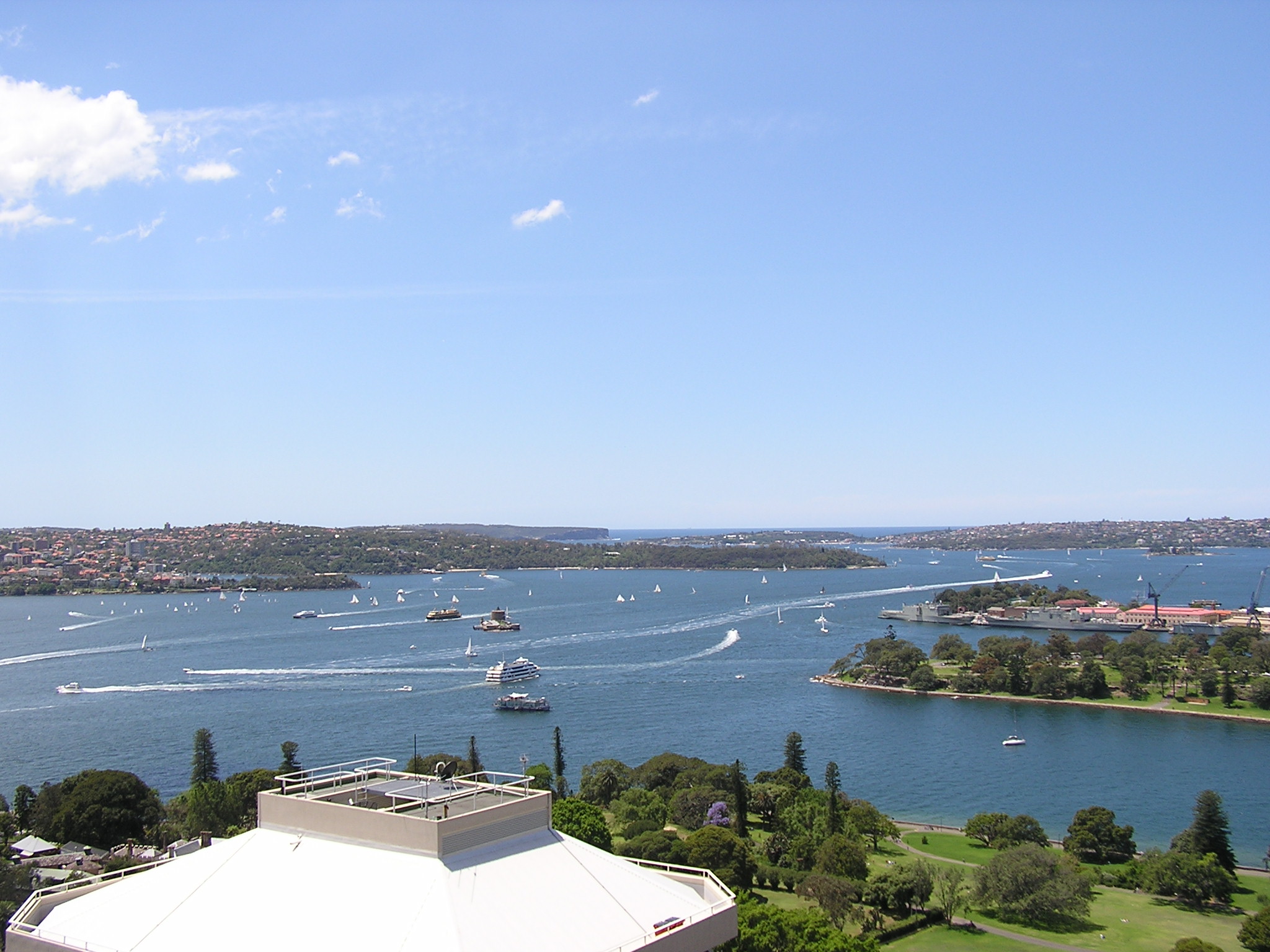
Below are a few photos that I took during Sydney Open in 2004 when it was opened to ticketholders.
AMP Building & Quay Quarter Development
The AMP Building will undergo restoration and revitalisation works this year and will continue through to 2024.
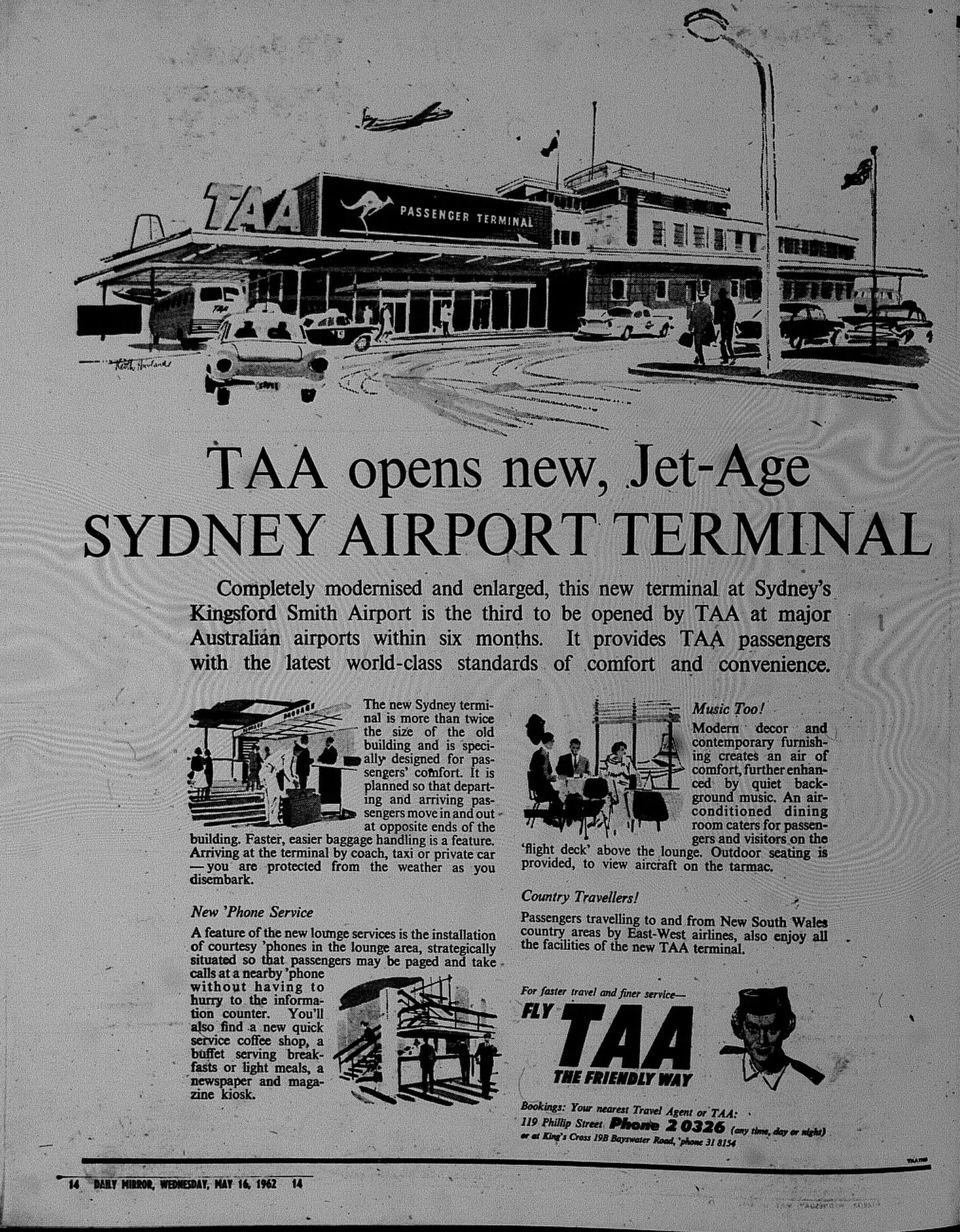
Source: Trans Australia Airlines. 1962. "TAA opens new, Jet-Age Sydney Airport Terminal" (Advertisement). The Daily Mirror, May 16 1962: 14.
Trans Australia Airlines (TAA) was an airline established by the Federal Government in 1946 to operate domestic passenger services within Australia. It operated under this name until 1986 when it was renamed Australian Airlines and was merged with Qantas in 1993.
In 1962, TAA undertook a significant upgrade of its terminal at Sydney Airport at a cost of £150 000 ($300 000) which doubled the space of the terminal and improved passenger comfort and capacity. The new layout separated departures from arrivals along with an upgraded baggage handling system. Passengers waiting for flights could purchase a meal, snack or drink from a coffee shop or buffet. In addition there was an airconditioned dining room for passengers and visitors awith a flight deck to view arriving or departing aircraft.
Also the new terminal had a new phone service where passengers could be paged and receive phonecalls at points located around the terminal.
![]() |
| Above: The 1962 TAA Terminal Building as viewed from above on Google Maps, which is currently part of the Qantas (T3) Terminal. |
The Terminal was located in what is now the southern end of the T3 (Qantas) Terminal. In 1974, the terminal was handed over to East-West Airlines after TAA opened a new terminal next to the building on its northern side. However it was intergrated into the T3 Terminal. Gates 18 and 19 are located at the rear of the building.
Sydney is subjected to Dust Storms from time to time, especially in periods of drought. Most readers would remember the major dust storm of 2009 and also more recently in late 2018. In the Black Summer Fires of 2019-2020, dust was even mixed with bushfire smoke.
On May 22, 1962, north westerly winds blew dust from central Australia into Sydney. While the storm was minor compared to 2009, visibility dropped to less than a mile. I remember in 2009, visibility was down to 100 metres at its worst (akin to fog).
The Daily Telegraph published a full page feature on May 23, 1962 including a large photograph taken from Bent Street, North Sydney showing the city obscured by the dust. The Sydney Harbour Bridge was visible . The distance from the location of the photograph to the Harbour Bridge was about two kilometres suggesting that visibility had dropped to around two kilometres.
The "Darkness at noon" was probably exaggerated.